What is a Marangoni Dryer and how does it work?
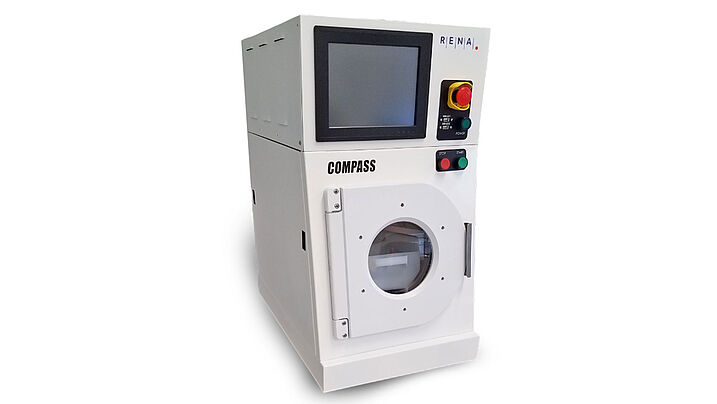
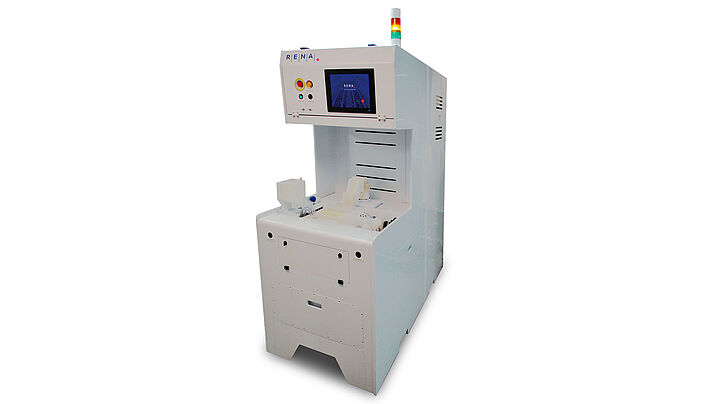
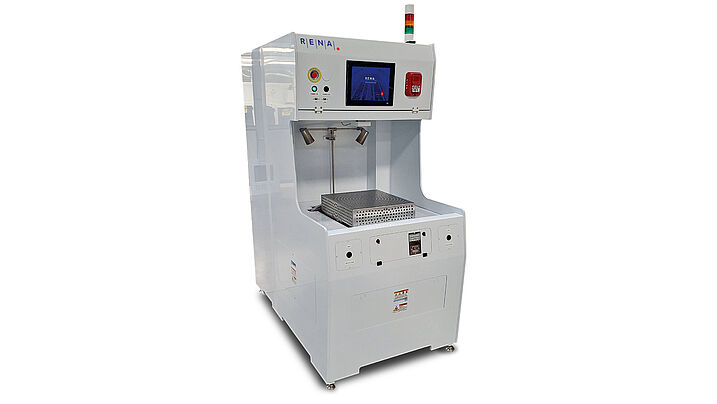
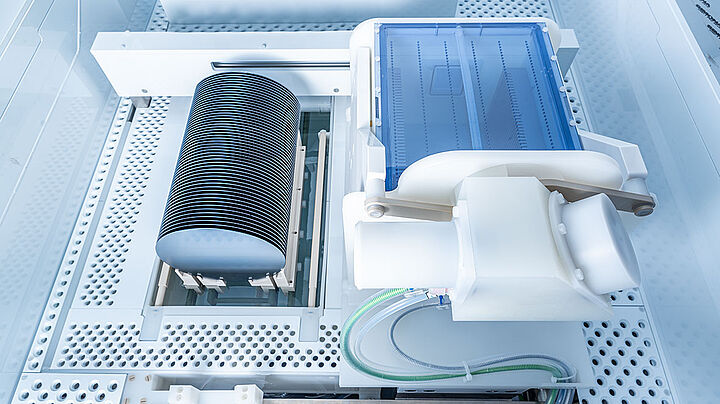
A Marangoni Dryer is a drying system used in semiconductor manufacturing to reliably dry wafers without residues after wet-chemical process steps such as cleaning, etching, or rinsing. The process is based on the so-called Marangoni effect: alcohol vapor - typically isopropyl alcohol (IPA) - modifies the surface tension of the liquid on the wafer surface. As a result, the water is displaced evenly and removed in a controlled manner.
In practice, the process takes place in several steps: first, the wafer is rinsed with ultrapure DI water. IPA vapor is then introduced to the water surface. Due to the change in surface tension, the liquid moves away from the wafer in a controlled way, allowing the wafer to dry uniformly and without watermarks.
This method prevents water stains, particle deposits, and chemical residues that could negatively affect sensitive semiconductor structures. It is particularly suitable for modern semiconductor devices with delicate surface structures.
Why is the Marangoni Dryer important?
After wet-chemical processes, even the smallest traces of water can lead to particles, stains, or chemical residues. Such contamination may affect electrical properties or cause manufacturing defects.
The Marangoni Dryer enables controlled, low-contamination, and residue-free drying, thereby improving process quality, process reliability, and manufacturing reproducibility. In wet-chemical systems from RENA Technologies, it therefore plays a key role in ensuring high manufacturing quality and stable production processes.
Advantages of the Marangoni Dryer
Prevents water stains on wafers
Reduces particle contamination
Improves process stability
Increases production yield
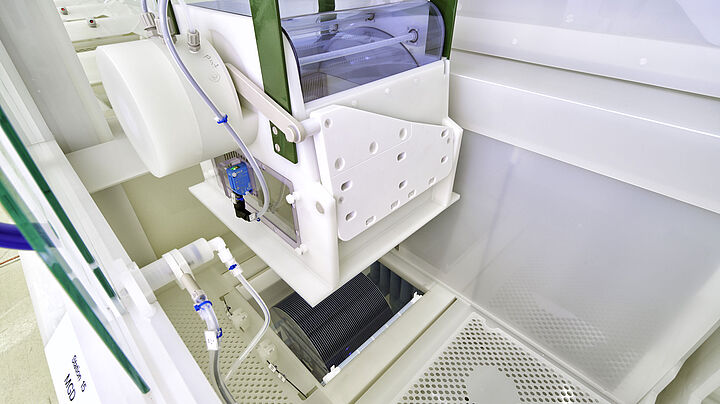
Role in wet-chemical systems from RENA Technologies
In wet-chemical processing systems from RENA Technologies, the Marangoni Dryer is a central component of wafer processing. It is typically used after the following process steps:
Wafer cleaning
Wet-chemical etching
Surface treatment
DI water rinsing
By integrating cleaning, rinsing, and drying within a single system, RENA Technologies enables a continuous dry-to-dry process flow. Wafers are processed automatically and transferred dry to subsequent process steps.
What does dry-to-dry processing mean?
Dry-to-dry processing describes an automated manufacturing workflow in which wafers enter a process system in a dry state and are also discharged dry after all wet-chemical processing steps have been completed. During the entire process, wafers pass through various steps such as cleaning, etching, rinsing, and drying within a closed system.
The objective of dry-to-dry processing is to reduce manual handling while simultaneously increasing process reliability and product quality. Through the direct integration of drying technologies, such as a Marangoni Dryer, wafers can be dried residue-free immediately after DI water rinsing and transferred directly to subsequent process steps without intermediate storage.
This concept is especially important in semiconductor manufacturing, as even the smallest contaminants or residual moisture can impair the functionality of sensitive structures. A continuous dry-to-dry process chain therefore supports:
High process stability
Reduced particle and contamination risks
Consistent manufacturing quality
Automated and efficient production workflows
Higher production yields
In wet-chemical systems from RENA Technologies, dry-to-dry processing enables continuous, automated wafer processing with high reproducibility and optimal surface quality.
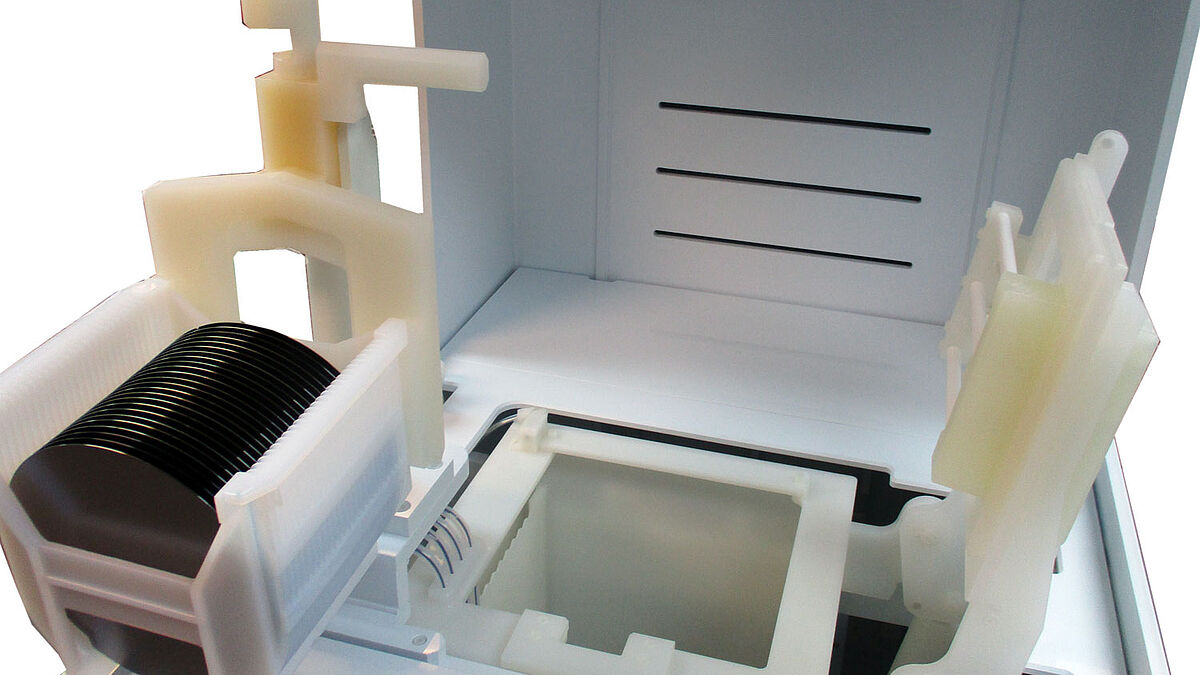
Marangoni Dryers are primarily used in high-tech manufacturing industries, including:
Semiconductor production
MEMS manufacturing
Power semiconductor manufacturing
In all these fields, clean and contamination-free wafer surfaces are essential for the functionality and reliability of the devices.